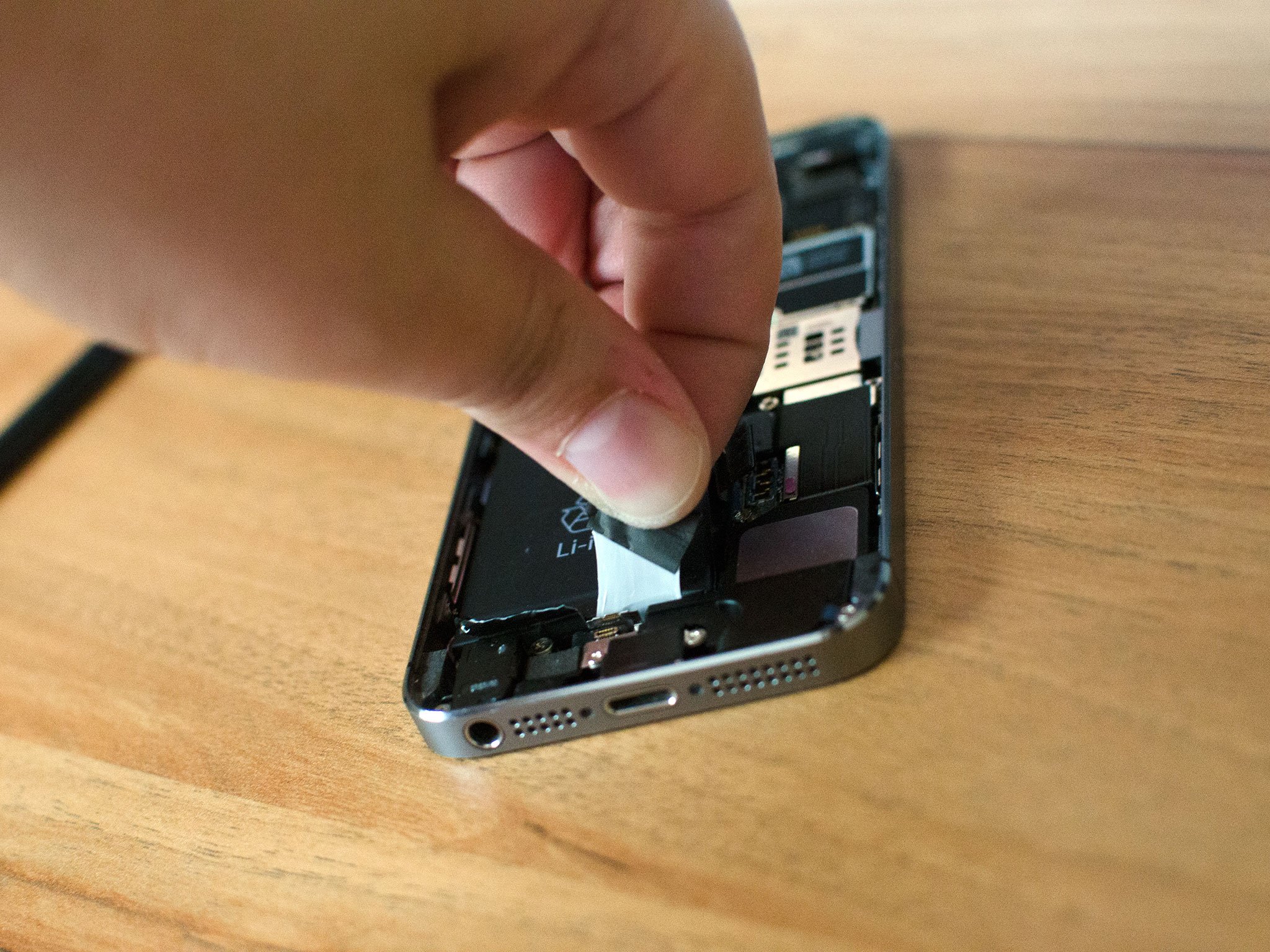
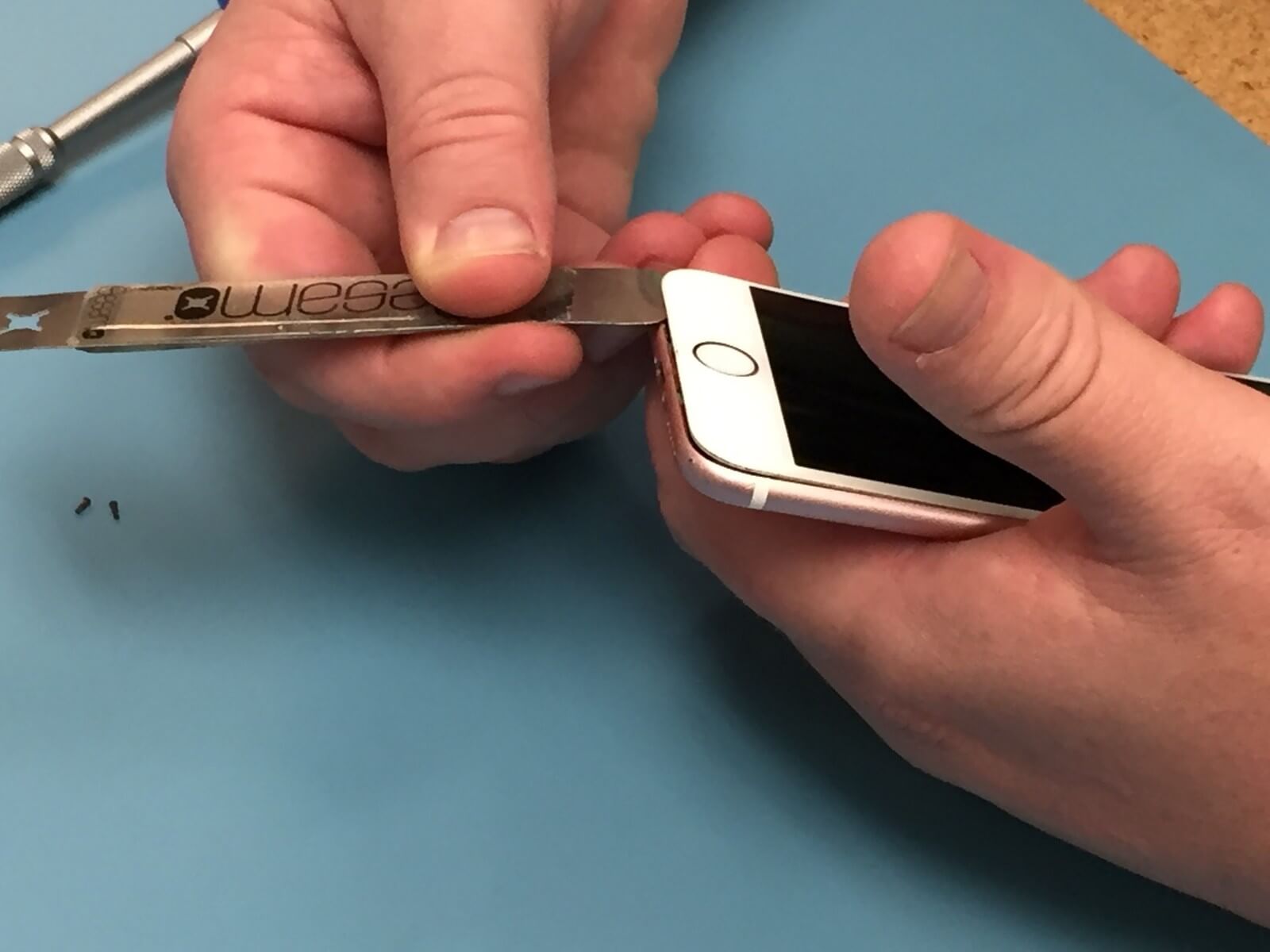

The iPhone 16 introduces a groundbreaking feature in its battery replacement process, utilizing an electrically-charged method to remove the adhesive that secures the battery. This innovative approach, known as "electrically induced adhesive debonding," replaces the traditional adhesive strips, making the battery replacement process faster and safer for both users and repair specialists. This change aligns with upcoming European regulations that require easier battery replacements in electronic devices , .
Key Features of the Electrically-Charged Battery Replacement:
-
Debond-on-Demand Adhesive: This new technology allows the adhesive to be deactivated using an electric charge, simplifying the battery removal process .
-
Safety and Efficiency: The electrically-charged method is designed to be safer and more efficient, reducing the risk of damage during battery replacement .
-
Compliance with Regulations: This feature helps Apple comply with new European Union regulations set to take effect in 2025, which mandate easier battery replacements in electronic devices .
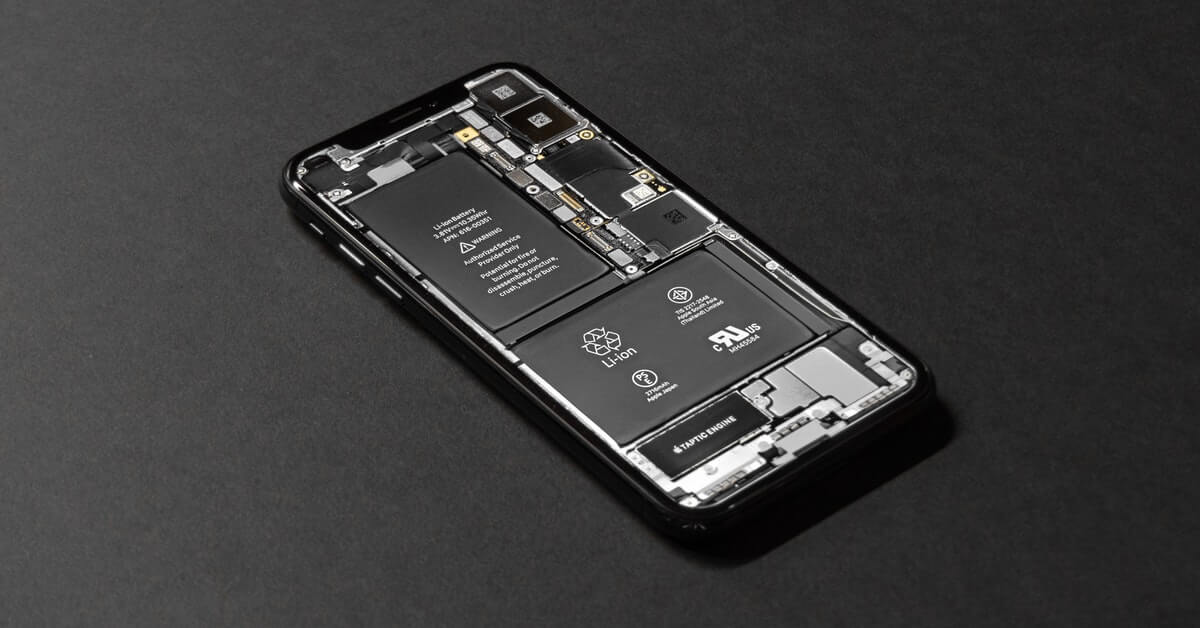
Latest News on iPhone 16:
The iPhone 16 lineup, including the iPhone 16 and iPhone 16 Plus, has been officially announced with several new features. These models are equipped with the new A18 chip, offering enhanced performance and efficiency. The camera system has also been upgraded, featuring a 12MP ultrawide sensor with autofocus and macro photography capabilities. Additionally, the iPhone 16 introduces Camera Control, allowing users to capture memories with greater depth and personalization , .

Overall, the iPhone 16's electrically-charged battery replacement process represents a significant advancement in smartphone repairability, aligning with both user convenience and regulatory requirements.